Spanish Grammar...
Below are our articles on the subject of Spanish Grammar. If you can't see what you are looking for our other categories are displayed on the left under 'Our Quick Links'...

Accents in Spanish
Spanish has three different kinds of accents on its words. Here we look at all of them, and when you should use them....
Adjectives in Spanish
An adjective is a describing word - here's the different kinds you'll come across when learning Spanish, and how they are used...

Gender of Nouns in Spanish
As with several other languages, Spanish nouns are masculine or feminine. Here we help you learn which are which....

How to Learn Future Tense in Spanish
There is more than one way of expressing the future in Spanish. This guide takes you through them....
Irregular Verbs in Spanish
Spanish has its share of irregular verbs. Here we look at some of the more common kinds to look out for....

Personal a in Spanish
The personal 'a' is a little grammatical device unique to Spanish, and it's important when talking to or about people. Here we explain it in full....
Personal Pronouns in Spanish
There are various kinds of personal pronouns in Spanish. This guide takes you through the different kinds - and shows you how to use them....
Por and para in Spanish
Por and Para are two words which essentially both mean 'for'. This clear guide will teach you when to use each one....
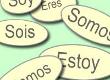
Ser and Estar in Spanish
There are two verbs to be in Spanish - one of the language's unique features. Here we outline the differences between the two of them, and when to use which one....

Spanish Words to Watch Out For
Many Spanish words are similar to their English counterpart. Some, however, may sound the same but have very different meanings. Find out which words to watch out for in this article....
The Conditional Tense in Spanish
The conditional tense essentially boils down to the equivalent in English of 'would'. Here we look at how to form this tense - and when to use it....
The Infinitive in Spanish
It's important that you understand what an infinitive is, and when to use it. This quick and easy guide shows you how....
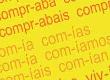
The Past Imperfect Tense in Spanish
The imperfect tense is one way of expressing the past in Spanish. Here we look at how to form this tense and when you should use it....

The Past Preterite Tense in Spanish
The preterite tense is an important way of expressing the past in Spanish. Here we describe how to form it, when to use it, and how it differs from the past imperfect tense....

The Present Tense in Spanish
The present tense is a good place to start getting your head around Spanish verbs. Here we learn when to use the very common present tense, and how to form it....
The Subjunctive in Spanish
The subjunctive is a whole new way of expressing verbs. Here we guide you through when to use it....